
Optimal Timing for Effective Gradings
Gradings are essential for assessing progress and determining readiness for advancement. The timing of these evaluations can impact the accuracy and effectiveness of the process. Selecting the optimal time ensures that individuals are properly prepared and that the results reflect their current skill level.
Scheduling gradings during periods of consistent activity allows for accurate assessment of skills. Avoid times of high disruption, such as holiday seasons or major events.
Align gradings with training cycles to ensure participants are at peak readiness, typically after intensive training phases.
Timing gradings when participants have demonstrated consistent improvement can lead to more meaningful evaluations.
Coordinate with facility schedules to secure optimal environments for assessments.
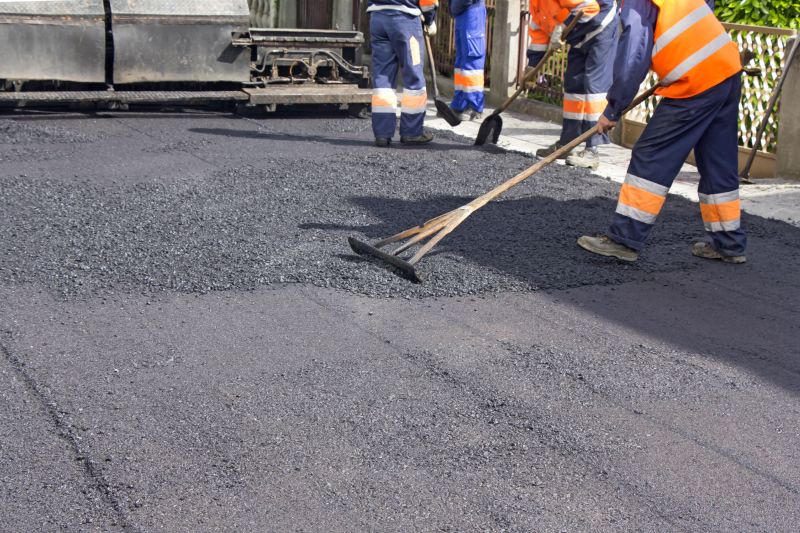
Participants demonstrating skills during a grading session.

Instructor evaluating a participant during a grading.
Participants reviewing techniques before assessment.
Ways to make Gradings work in tight or awkward layouts.

Popular materials for Gradings and why they hold up over time.

Simple add-ons that improve Gradings without blowing the budget.
| Aspect | Timing Recommendations |
|---|---|
| Training Completion | Schedule after completing training modules. |
| Skill Development | Assess when skills have been consistently demonstrated. |
| Seasonal Factors | Avoid peak holiday periods or off-season times. |
| Facility Availability | Coordinate with facility schedules for optimal access. |
| Participant Feedback | Ensure participants feel prepared and confident. |
| Performance Trends | Identify periods of steady improvement for evaluations. |
Statistics indicate that scheduling gradings after consistent training periods results in higher pass rates and more accurate assessments. It is also beneficial to consider individual progress and readiness rather than adhering strictly to fixed schedules. This approach ensures fairness and a more precise reflection of skill development.

Participant demonstrating skills during a grading.

Instructor observing a participant during assessment.

Participants reviewing techniques before grading.

Instructor providing feedback after grading.

High-end options that actually feel worth it for Gradings.
Finishes and colors that play nicely with Gradings.

Little measurements that prevent headaches on Gradings day.

A 60-second routine that keeps Gradings looking new.

A frequent mistake in Gradings and how to dodge it.

Small tweaks to make Gradings safer and easier to use.
Individuals interested in scheduling gradings are encouraged to contact for more information or to arrange assessments at suitable times. Proper planning and coordination can enhance the effectiveness of the evaluation process and support ongoing skill development.